
Analysis
Research and Policy Solutions for the Americas
We are known for our rigorous research and informed analysis on critical issues in the Americas. Our long-standing commitment to blending research and advocacy, collaborating with partners across the Americas, and serving as a trusted resource for policymakers, academics, and diverse audiences in both the U.S. and abroad, sets us apart. We produce analysis through reports, perspectives, features, Q&As and more.
Research
Explore in-depth research that provides critical insights into human rights, democracy, and public policy issues across Latin America.
-
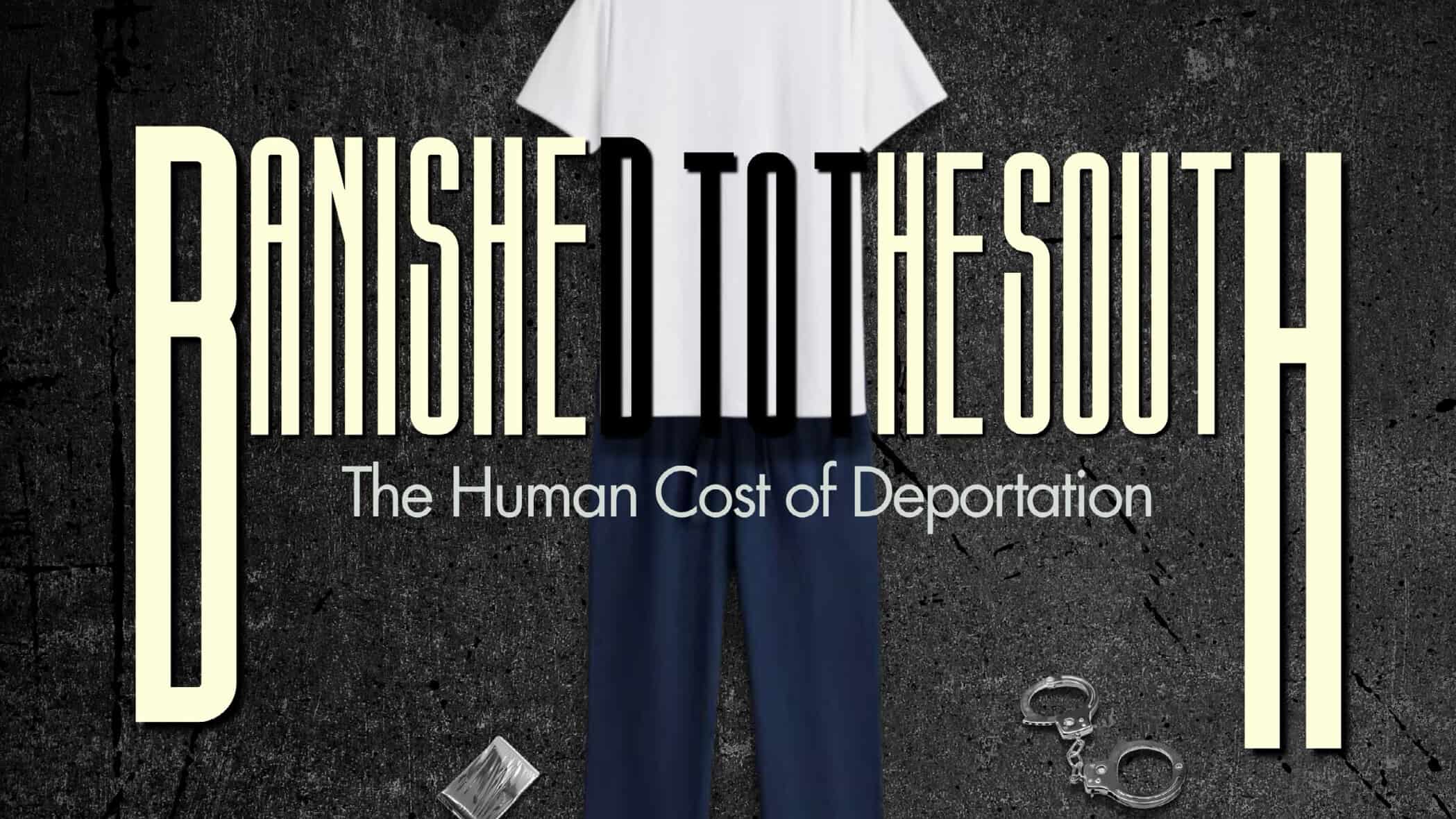
Banished to the South: The Human Cost of Deportation
Leer en español – Printer-friendly PDF version (English – Español) Podcast episode: Audio en español – Video with English subtitles “Mass deportation” The painful impact of the Trump administration’s “mass deportation” strategy is an urgent national crisis in the United States, raising alarm in communities, the immigration court system, detention centers, and border regions. The impact in Mexico is also…
-

Killing Spree: Extrajudicial executions in the U.S. boat strikes campaign
Read a printer-friendly (PDF) version of this report | Lea el resumen ejecutivo en español Contents Executive Summary 1. A secret policy with a public social media campaign 1.1. Data about the strikes 1.2. “Southern Spear”: even the goals are secret 1.3. Assets and costs 1.4. A radical departure from longstanding practice 2. The strikes and the Trump administration’s “lethal”…
Perspectives
Read unique perspectives on pressing human rights challenges shaping Latin America
-
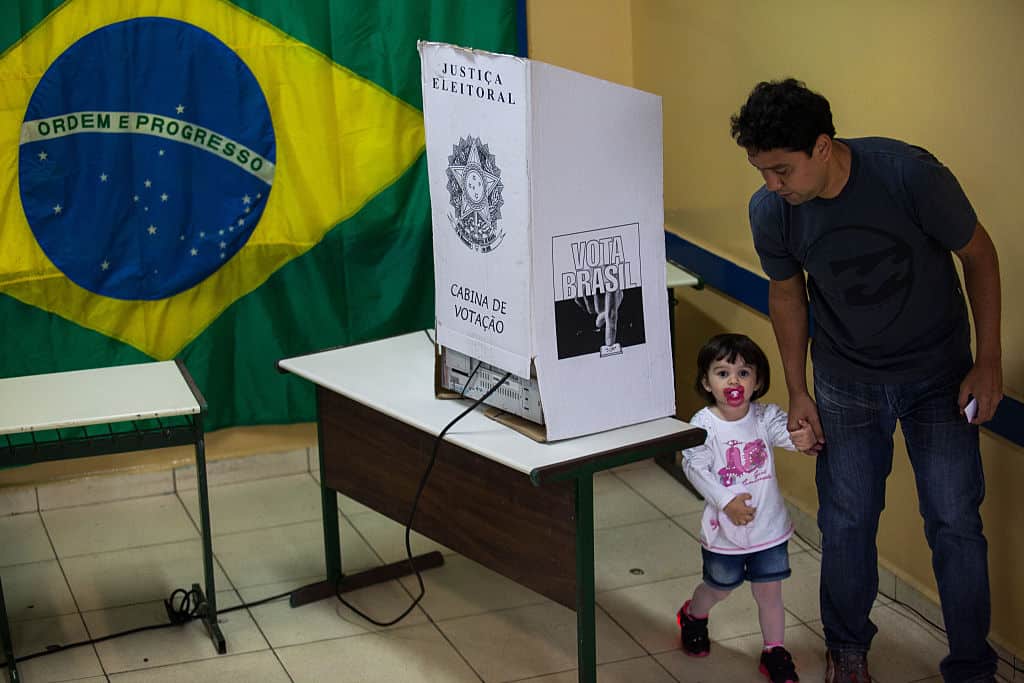
Five Things to Know About Brazil’s October 4 Election
On Sunday, October 4, Brazil will elect its next President, 513 members of the House of Deputies, and two-thirds of the 81-seat Federal Senate, as well as all state governors, and state legislative assemblies. Polls show the Presidential race neck and neck. It’s playing out against a backdrop of public safety concerns and debates over political representation. The U.S.-Brazil relationship…
-
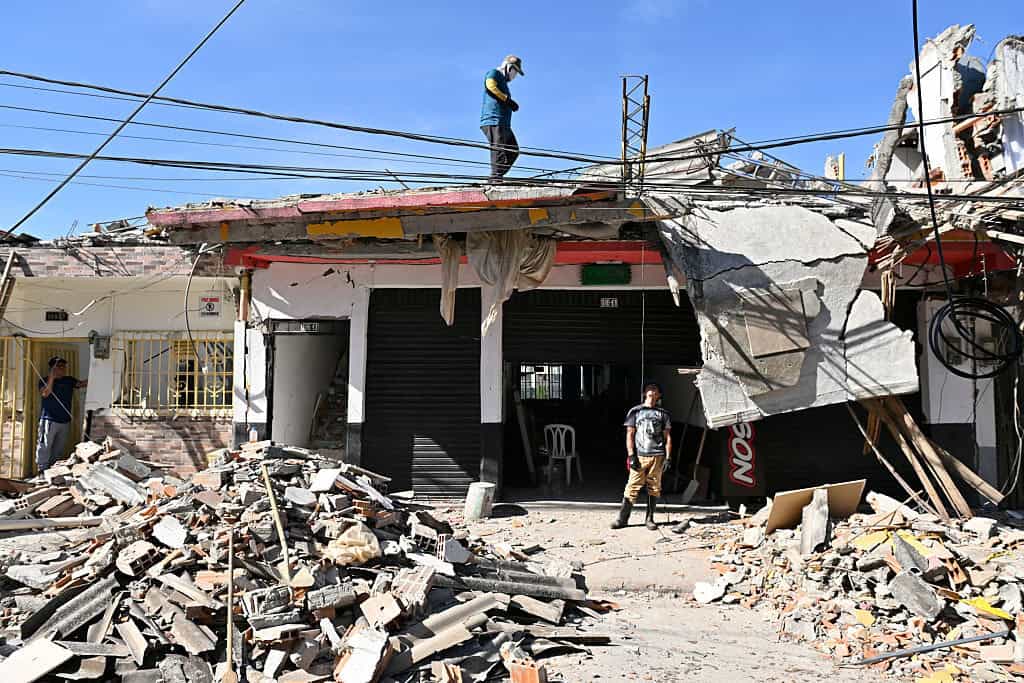
Risks for Communities in Conflict Zones Increase Due to Colombia’s Natural and Political Earthquakes
“We’ve been hit by two earthquakes: the one God sent us and the one led by the new president, Abelardo de la Espriella,” one community leader told WOLA. This comparison captures a fear shared by leaders across insecure rural and urban areas in Colombia. The physical destruction caused by the August 10 earthquake is colliding with a sharp change in…
-
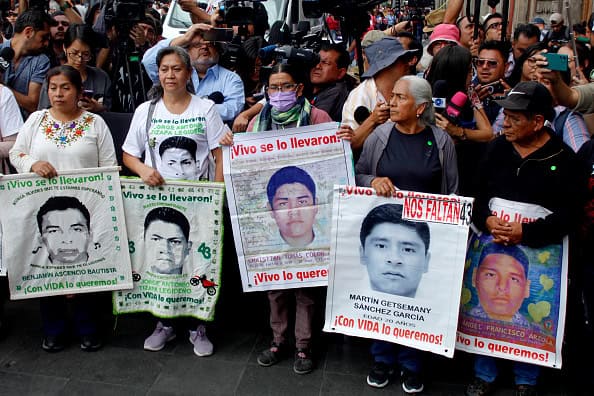
The Struggle Continues: The Search for Truth and Justice in the Ayotzinapa Case and Mexico’s Disappearance Crisis
Twelve years after the enforced disappearance of 43 students in the Ayotzinapa case, and across three different federal governments, the families have overcome repeated attempts to block their access to truth and justice. But key obstacles remain. Meanwhile, the struggle of families of people who have disappeared nationwide is advancing at the UN. This year, the UN Committee on Enforced…
-
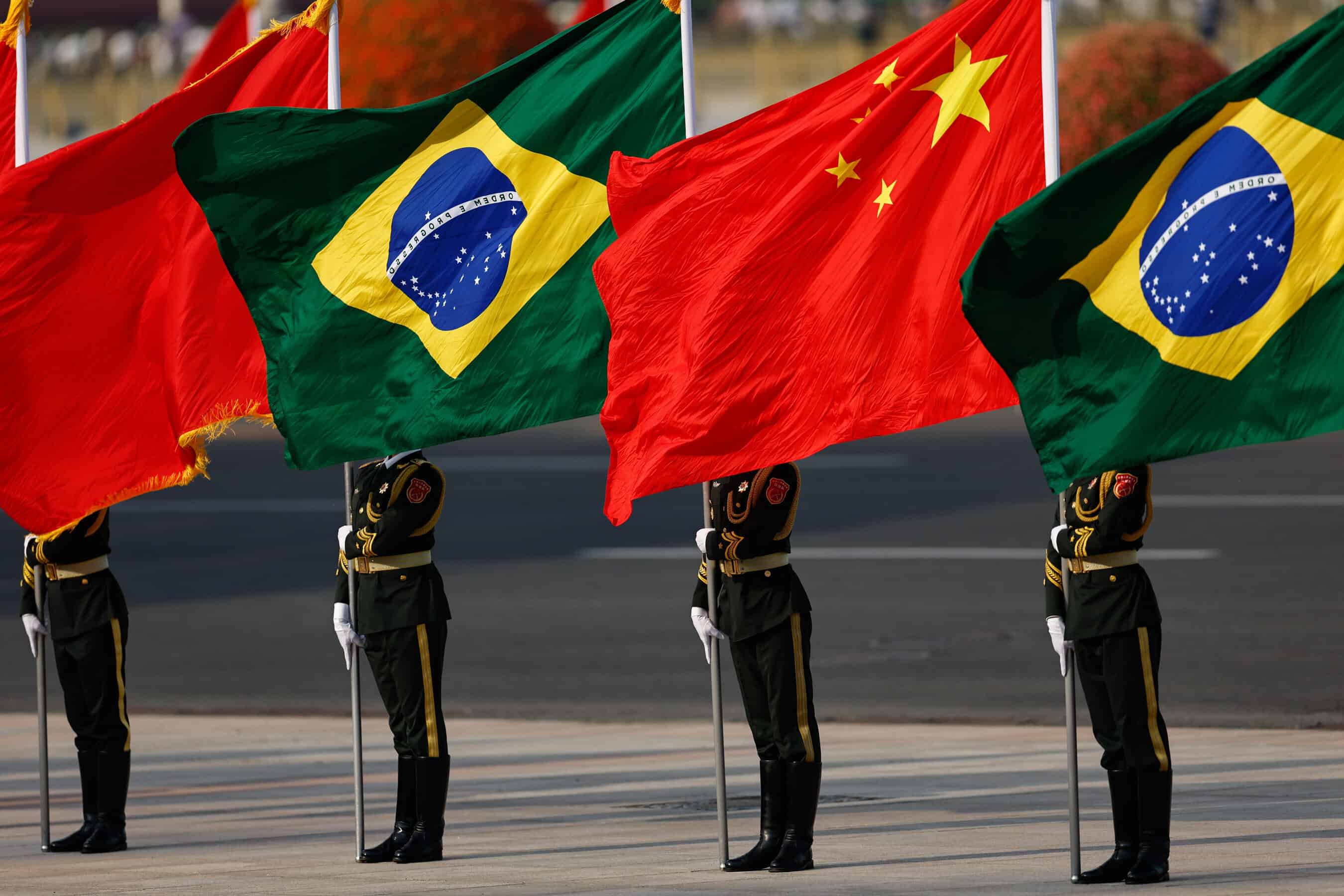
Brazil’s Pivot Toward Beijing Is Made in Washington
Coercive tariffs and visa retaliation cannot correct a trade imbalance that doesn’t exist in the first place. The U.S. is giving China its strongest argument yet for why Brazil should look elsewhere. The Trade Rift Between the U.S. and Brazil On July 15, 2026, the Trump administration imposed a fresh 25 percent tariff on most Brazilian imports, the culmination of a year-long Section 301 investigation into…
-
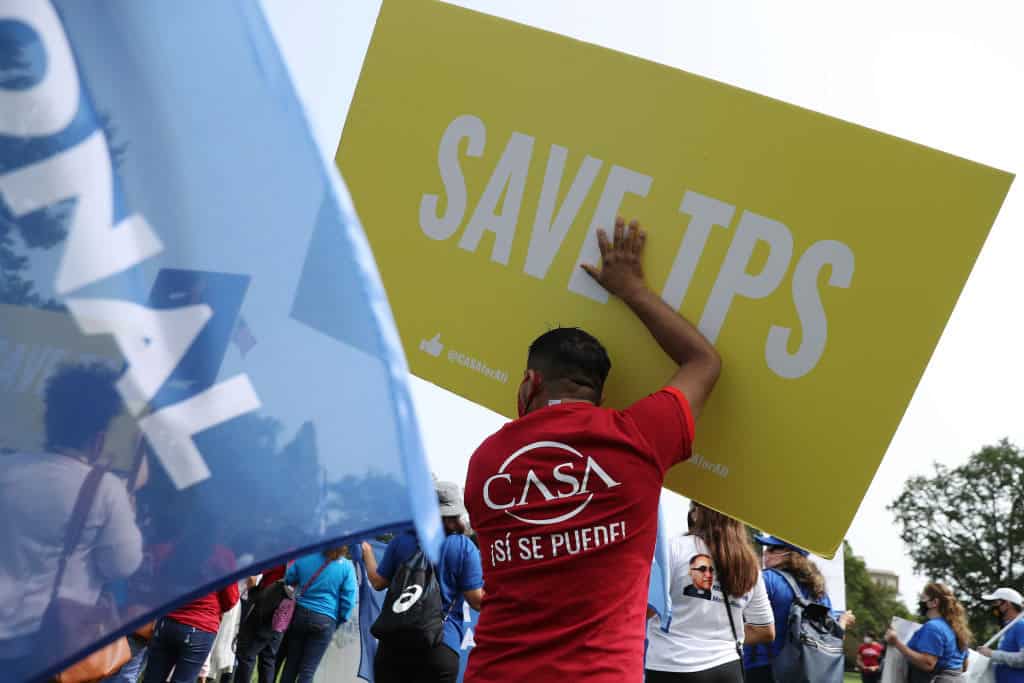
Termination of TPS for El Salvador: What’s the Impact?
The termination of Temporary Protected Status (TPS) for El Salvador is taking place against a backdrop of a severe deterioration of democracy and human rights in the country. During its more than seven years in power, Nayib Bukele’s government has weakened institutional checks and balances, curtailed due process guarantees, and expanded the power of the security forces. The state of…
-
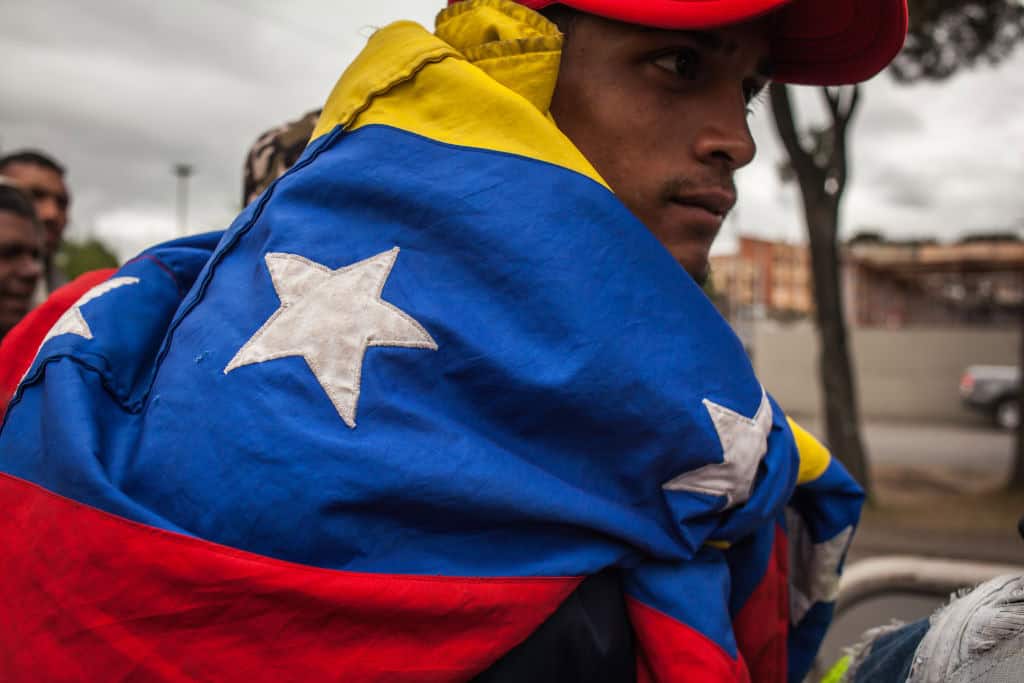
Colombia’s Immigration Crackdown Threatens Venezuelan’s Rights
On August 23, Colombia’s President Abelardo de la Espriella ordered Migración Colombia (Colombia’s migration agency) and the National Police to launch nationwide operations to locate, identify, and deport migrants in irregular status, prioritizing foreign nationals allegedly linked to criminal activity and framing the crackdown under his nationalist “Colombia First” agenda. Colombia has migrants from different nationalities in the country who…
Features
Explore articles, explainers and human-centered stories about the region.
-
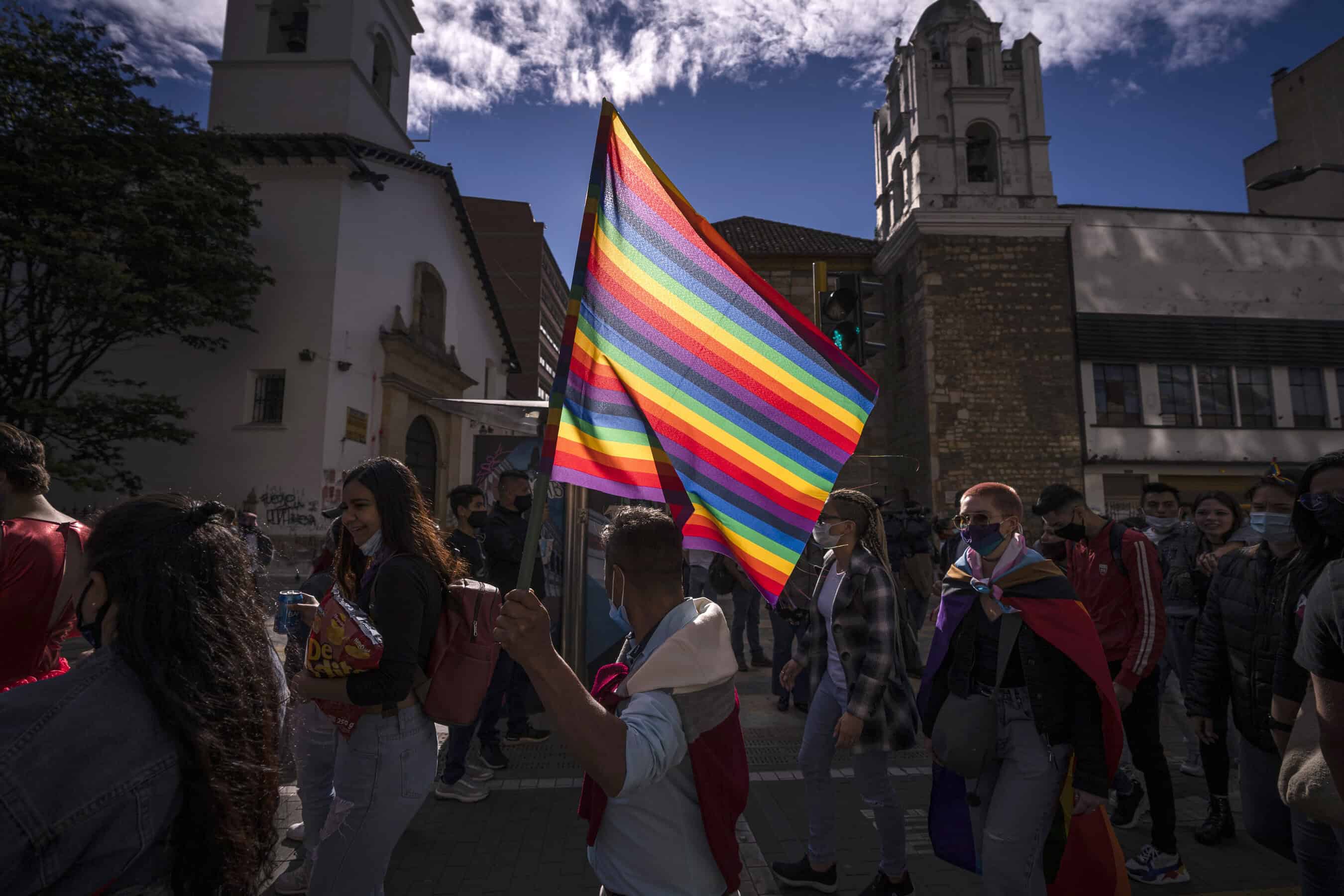
Turning Tragedy into Transformation: LGBTQ+ Activism and Justice in Latin America
Across Latin America, LGBTQ+ individuals have faced discrimination, violence, and exclusion from political and social institutions. Yet, they have also been at the forefront of movements demanding justice, recognition, and equality. Recent developments in Brazil, Mexico, and Colombia demonstrate both the persistent challenges confronting LGBTQ+ communities and the transformative impact of their activism. From the pursuit of accountability for political violence to groundbreaking legal victories…
-

Condor’s Legacy, “Teseo,” and Assassination in Washington DC that Could Have Been Prevented
It was horrendous enough that a South American military dictator sent assassins to the U.S. capital to kill Chile’s most prominent exile leader, together with a young woman who was an American citizen. When a bomb exploded in a car rounding Sheridan Circle on Washington’s Embassy Row on September 21, 1976, it was the first terrorist attack by a foreign power to occur in the U.S. capital. The public spectacle and…
-
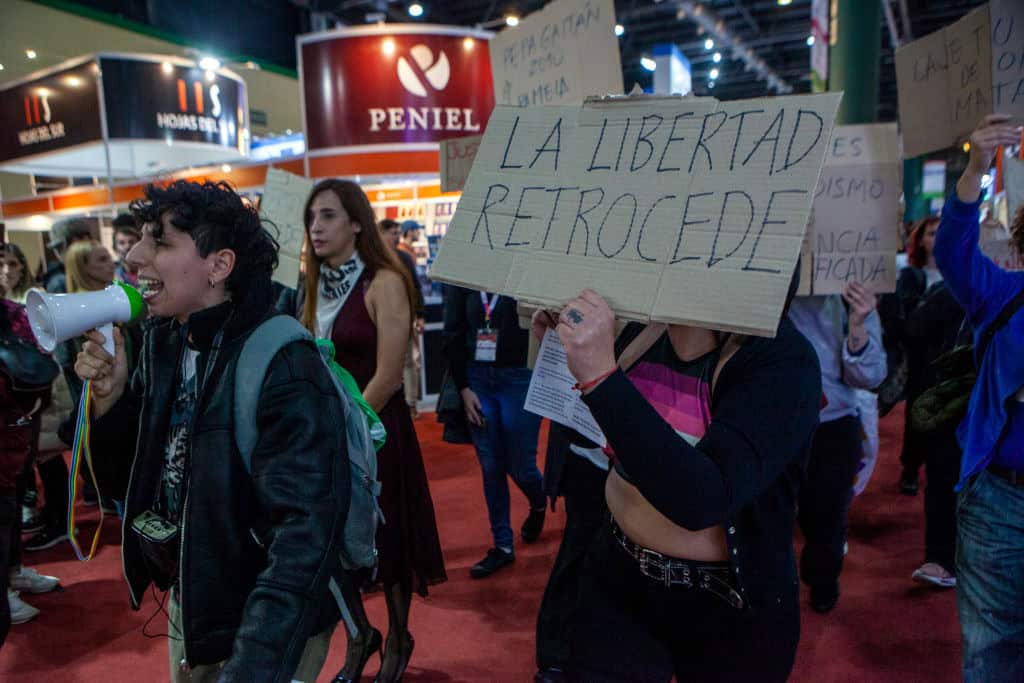
The Global Anti-Rights Agenda in Latin America
When WOLA set its new strategic priorities in 2024, we consciously included promoting LGBTQ+ rights and gender diversity on the list. This decision would prove to be increasingly relevant. Within months, the president of Argentina would equate “gender ideology” to “child abuse” on the international stage, and the incoming administration in the United States would move to erase legal transgender identities . But attacks on the LGBTQ+ community are not necessarily new…
-
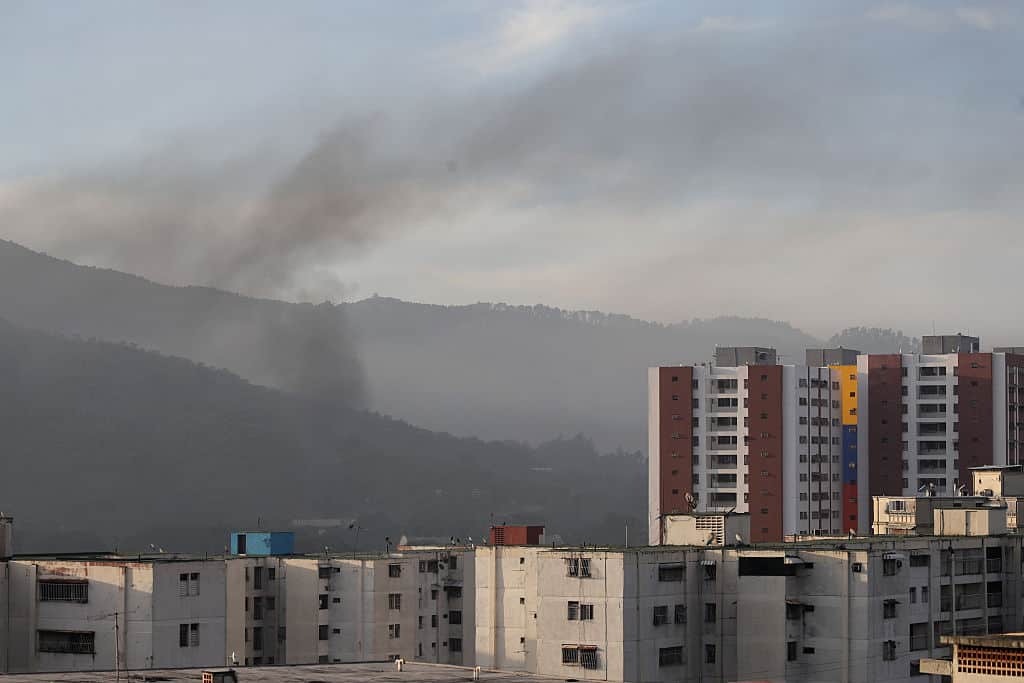
Venezuela After January 3: Two Truths That Require the Attention of the International Community
The Facts In the early morning of January 3, we woke to an event we no longer believed possible in this century: a U.S. military attack on a South American capital. The attack culminated in the capture of Venezuela’s de facto president, Nicolás Maduro, and his wife, Cilia Flores, and their subsequent transfer to New York to stand trial on…
Q&A
Our Q&A section features interviews with experts and advocates across the Americas
-
Venezuela: What do you need to know about the renewal of the UN’s Fact-Finding Mission?
Q&A from civil society organizations 1. What is the Fact-Finding Mission? An independent and rigorous scrutiny and investigation mechanism. The Independent International Fact-Finding Mission on Venezuela (FFMV) is an extraordinary mechanism created by the UN in 2019 to exercise scrutiny over and investigate serious human rights violations in Venezuela. Its work has been highly valued, and its continuity is considered…
-
Q&A on Venezuela: Two things can hold true, and Venezuelans need support now
In contexts of deep political polarization, WOLA aims to provide elements for an objective analysis rooted in universal principles. Treating human rights as ideological markers rather than internationally recognized standards erodes democracy. We see two realities that can hold true simultaneously. On the one hand, the U.S. military action in Venezuela is contrary to international law and forms part of…
-
Q&A with WOLA’s Director for the Andes and this year’s Louis B. Sohn Human Rights Award recipient, Gimena Sánchez-Garzoli
The landmark Inter-American Court ruling in favor of displaced Afro-Colombian communities, the five-year delay of the U.S.-Colombia free trade agreement, which forced a reduction in the killing of trade unionists and the protection of Afro-descendant workers, and the inclusion of the ethnic chapter within Colombia’s peace agreement. You may know these victories—but you might not know that Gimena Sánchez-Garzoli was…
-
Uncertain Path to the Polls: Integrity and Trust at Risk in Honduras’s 2025 Elections
Honduras will hold general elections on November 30 amid growing political tensions and concerns over electoral integrity. Conflicts among members of the National Electoral Council (CNE) and the controversial roles of the Public Ministry, the Armed Forces, and the National Congress have heightened uncertainty about the credibility of the electoral process. The role of the international community has become increasingly…