
WOLA’s 2025 Human Rights Awards Month
Democracy is under serious threat across the Americas. From systematic repression in El Salvador to attacks on democratic institutions in the United States, authoritarian tactics are spreading throughout our region. These unprecedented challenges require us to adapt—which is why WOLA is transforming our traditional awards gala into Human Rights Awards Month, dedicating the entire month of October to exploring the vital work of our honorees and the broader fight for democracy.
This October, we celebrate two champions leading this fight: Senator Tim Kaine and MOVIR—El Salvador’s Movement for Victims of the Regime. (Learn more about our honorees below!) Throughout the month we will be sharing interviews, analysis, and multimedia content exploring their role in the struggle for democracy in the face of rising authoritarianism. The month concludes with a virtual discussion featuring Dr. Steven Levitsky, co-author of How Democracies Die, on the future of democratic movements.
Meet the Honorees
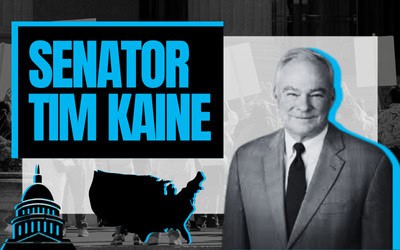
Senator Tim Kaine
Senator Tim Kaine is receiving the 2025 WOLA Human Rights Award for his steadfast leadership in defending democracy and human rights in the Americas. From pushing for accountability in El Salvador to championing protections for migrants and TPS holders, his work reflects a principled commitment to justice and democratic values. His advocacy continues to shape a U.S. foreign policy that prioritizes human rights across the region.
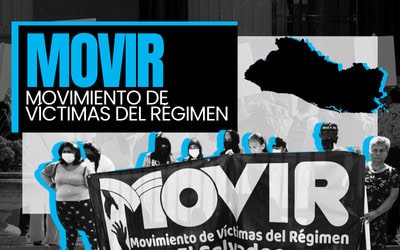
MOVIR
Movimiento de víctimas del régimen
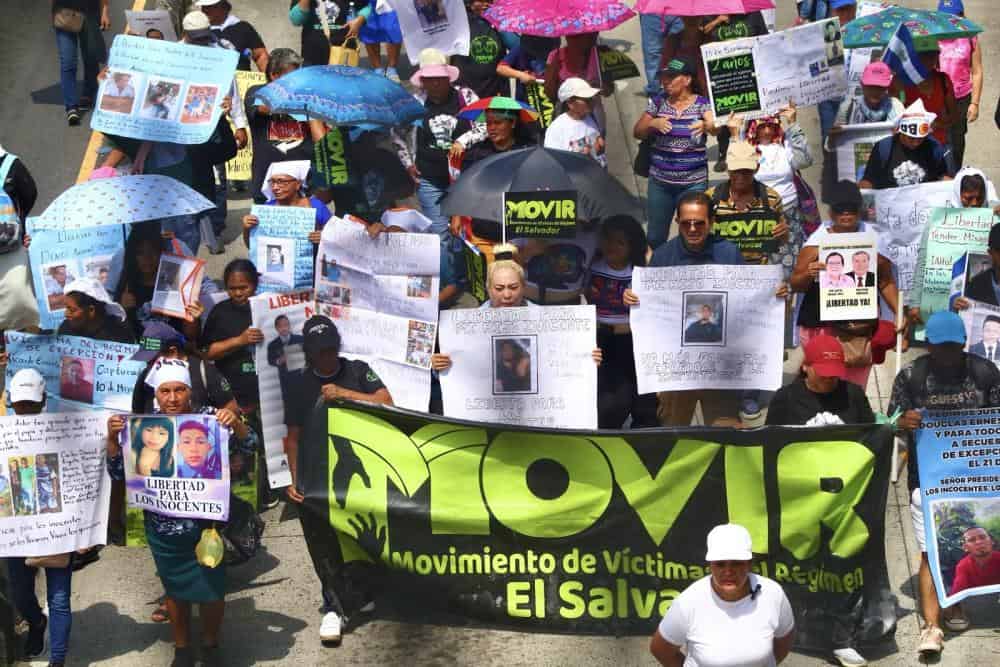
The Movimiento de Víctimas del Régimen de El Salvador (MOVIR) is receiving the 2025 WOLA Human Rights Award for their courageous defense of justice and democracy. Despite severe repression, MOVIR has tirelessly supported victims and families of arbitrary detention, demanding truth, justice, and reparations in El Salvador. Their work stands as a powerful example of resilience and solidarity for human rights across the region.
Keynote Address
Dr. Steven Levitsky
Capping off Human Rights Awards Month, WOLA President Carolina Jiménez Sandoval will join Dr. Steven Levitsky, co-author of the best-selling book How Democracies Die, to honor our awardees and for an in-depth conversation about the mounting threats to democratic institutions and the urgent need to defend them. Together, they will first recognize the courageous work of our 2025 Human Rights Award honorees—Senator Tim Kaine and the Movimiento de Víctimas del Régimen (MOVIR)—before examining how authoritarianism is taking root around the world, including in the Americas, and what lessons can be drawn for building stronger, more resilient democracies. The discussion will directly connect to the honorees’ work: Senator Kaine’s leadership in defending democratic accountability and MOVIR’s resistance against authoritarian abuses in El Salvador serve as powerful examples of the principles and practices needed to counter democratic backsliding. By linking the experiences of WOLA’s honorees to the broader global struggle against authoritarianism, the conversation will underscore both the challenges we face and the practical strategies that can help safeguard democracy in an era of rising autocracy.
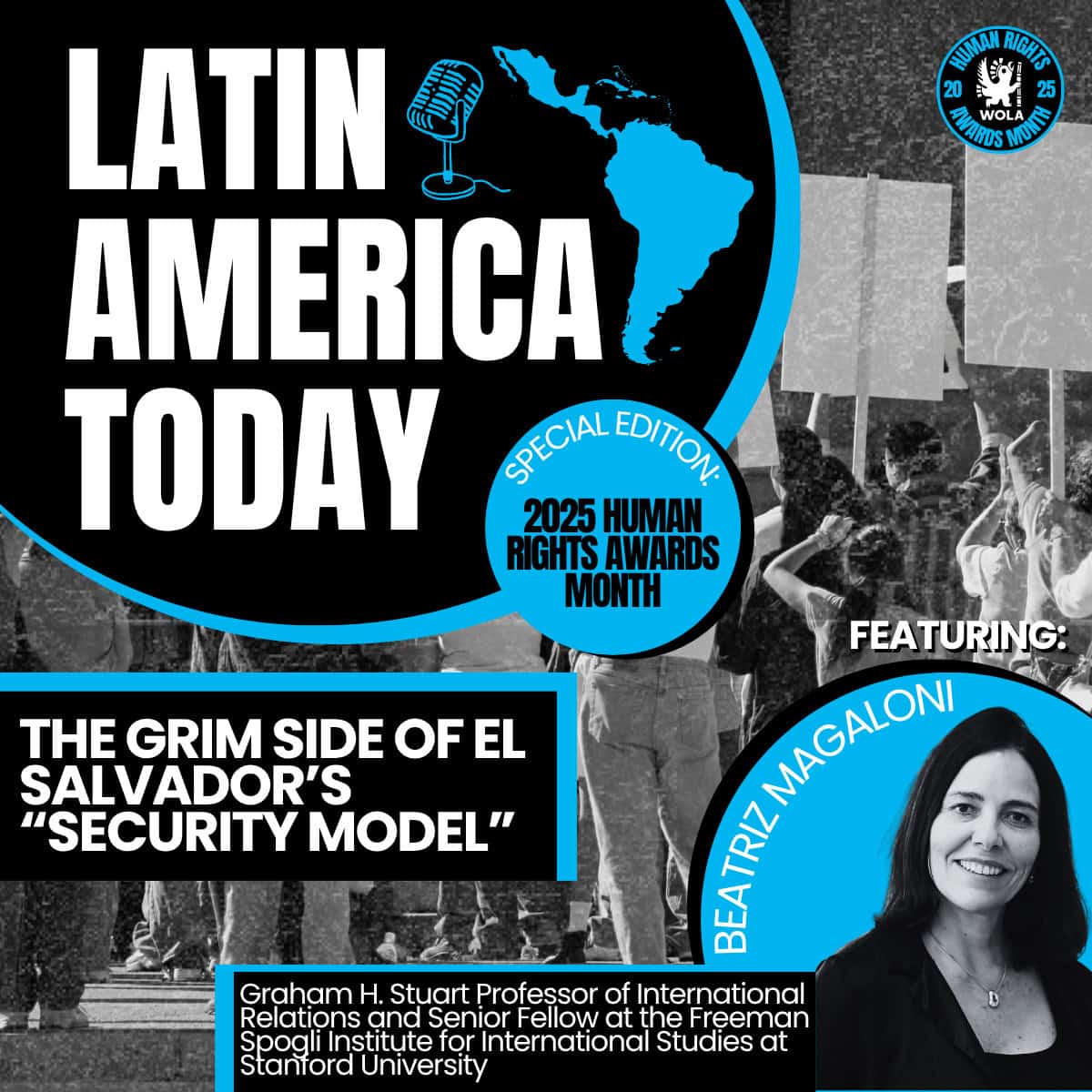
Podcast: The Grim Side of El Salvador’s “Security Model”
President Nayib Bukele’s government has jailed nearly 2 percent of El Salvador’s entire population—the highest incarceration rate in the world. Still, because violence has dropped sharply, political figures across Latin America speak about emulating Bukele’s “security model.” But behind the videos of mega-prisons and tweets about plunging homicide rates lies a darker, less sustainable reality.
In this WOLA Podcast episode, Adam Isacson speaks with Beatriz Magaloni (personal site / Stanford site), a political scientist at Stanford University and co-author (with Alberto Díaz-Cayeros) of a Foreign Affairs article published September 11, 2025: “Does the Bukele Model Have a Future?”
Article: Political Imprisonment in El Salvador and the Dismantling of Democracy
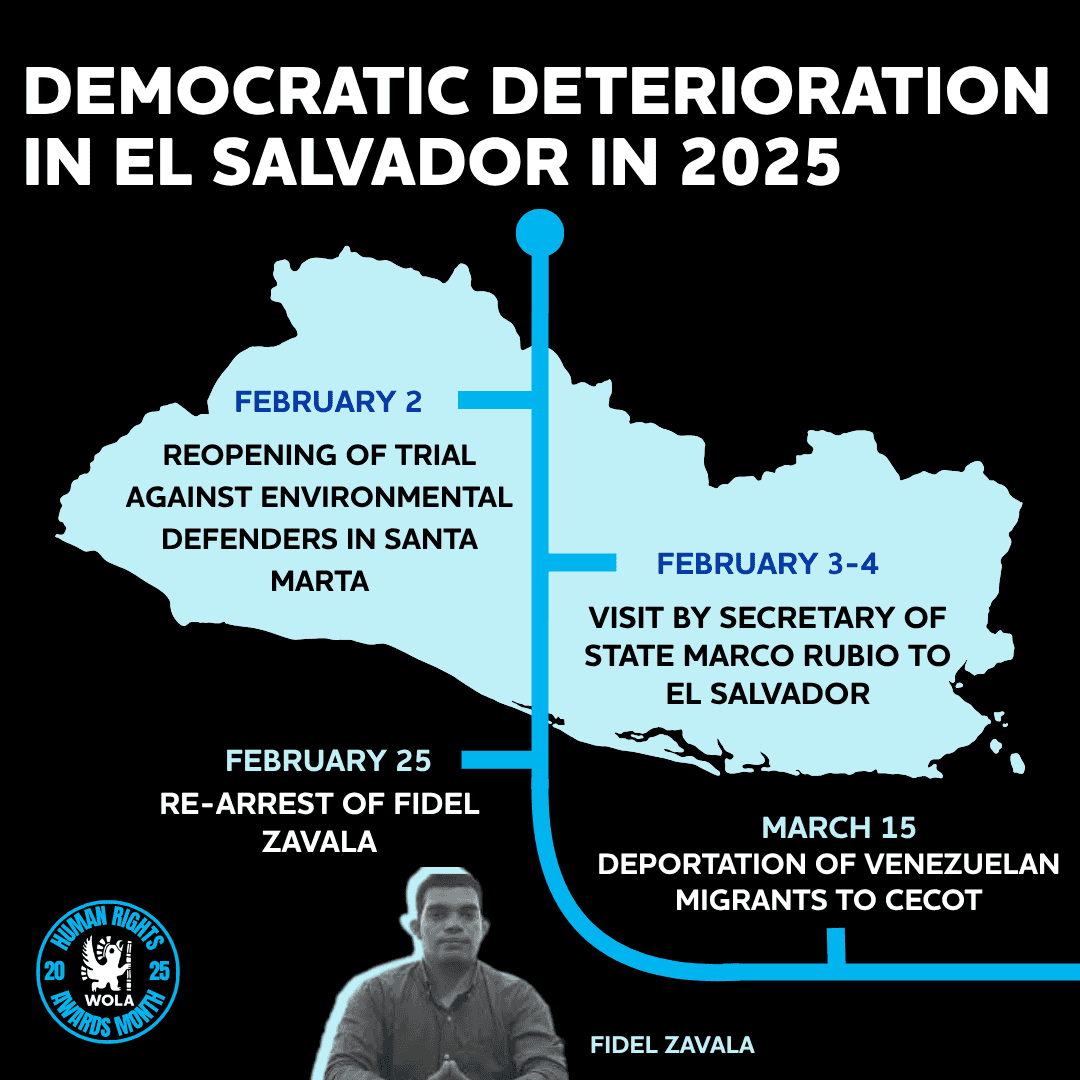
Since the implementation of the state of exception in El Salvador in March 2022, thousands of arbitrary detentions have occurred. Among those detained, various reports have identified individuals arrested for exercising their freedom of expression, participating in demonstrations, or openly criticizing the government. These actions have been widely recognized as signs of political persecution and the criminalization of dissent.
What distinguishes today’s political prisoners from those of El Salvador’s past? And what does this reveal about the state of democracy under President Nayibe Bukele? To answer these questions, we must examine how Bukele has transformed the political imprisonment of El Salvador’s authoritarian past into a modern tool of control, and what this means for the country’s democratic future.
Article: Senator Tim Kaine’s Leadership on Latin America
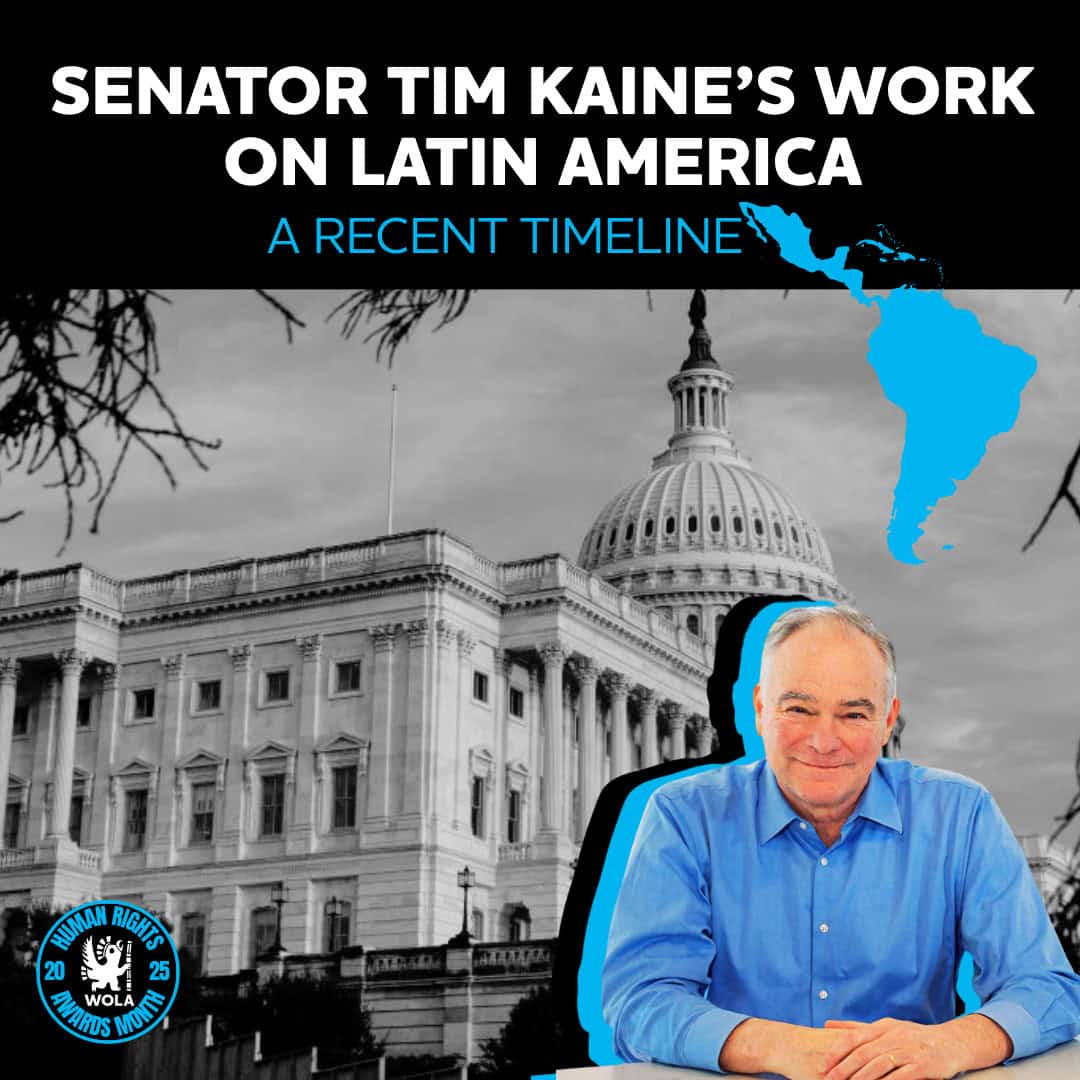
Senator Kaine’s dedication to the region is deeply rooted in his personal experience that dates back to the 1980s. When he was just 22 years old, he took a year off from law school to do missionary work in El Progreso, Honduras. While Honduras never experienced a civil war and internal armed conflicts like those of its neighbors in El Salvador, Nicaragua, and Guatemala, it bears many of the same scars, particularly in terms of repression against social leaders. During this time, El Progreso became the heart of the movement for social justice in Honduras, given its history with labor struggles on banana plantations and its Jesuit-led radio station–the first of its kind used to reach poor communities across the country. Kaine has described his experience in Honduras as transformative and something that has continued to inspire his legislative work on behalf of U.S. communities and on U.S. foreign policy.
In his decades of service in Virginia and throughout his tenure in the Senate (2012-present), he has consistently championed policies that support democratic institutions, protect human rights, and address corruption across the Americas. Below are key highlights of his Latin America-focused legislative efforts in the past few years.
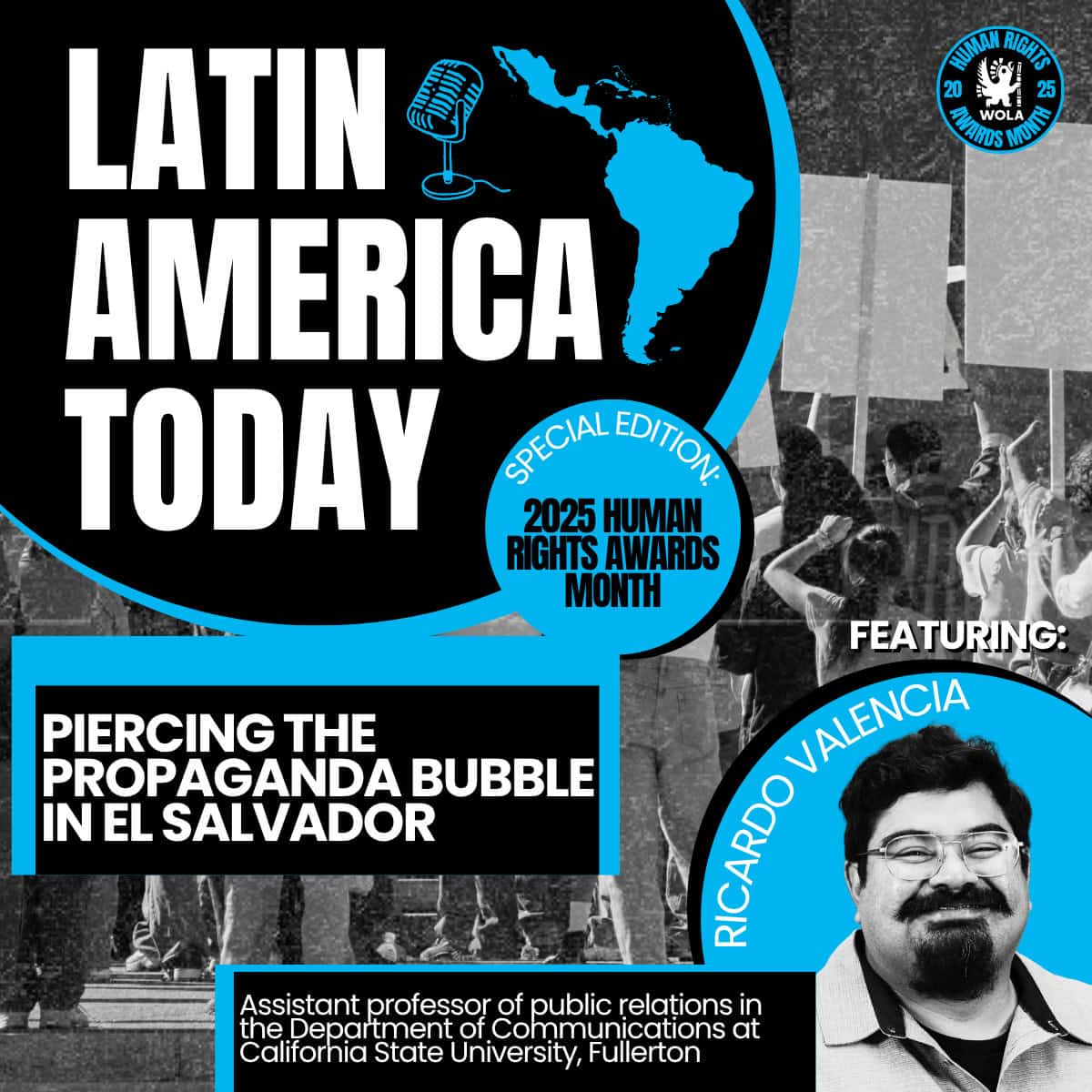
Podcast: Piercing the Propaganda Bubble in El Salvador
In this conversation, Ricardo Valencia, associate professor of public relations in the Department of Communications at California State University, Fullerton, explains why the current popularity of El Salvador’s authoritarian president rests on a surprisingly fragile foundation.
Dr. Valencia, a former journalist in El Salvador and an expert on political and activist communications, explains that Bukele is facing several challenges to his rule that even a slick propaganda operation cannot paper over. These include a lackluster economy, mainstream voters’ discomfort with the regime’s celebrations of cruelty and imprisonment, Bukele’s relations with just one political party in the United States, the loss of emigration as an “escape valve” and a likely increase in deportations, and discontent with corruption.
Article: Advancing the Rights of Family Members of People Deprived of Liberty
Prisons across Latin America were already bursting at the seams when the “Bukele security model,” characterized by a state of exception that has led to unprecedented numbers of detentions and mass incarceration, began to be embraced by other politicians who have mimicked punitive and militarized discourses and policies thought to be politically popular. The excessive use of pretrial detention for even minor offenses, a surge in political imprisonment in countries including Venezuela and Nicaragua, and, in some cases, arrest quotas have all fueled the growing number of people behind bars in the region. The pictures of men packed into El Salvador’s Terrorism Confinement Center (CECOT) are etched into people’s minds. But the trauma and challenges suffered by family members of those people behind bars have largely been invisible – until now.